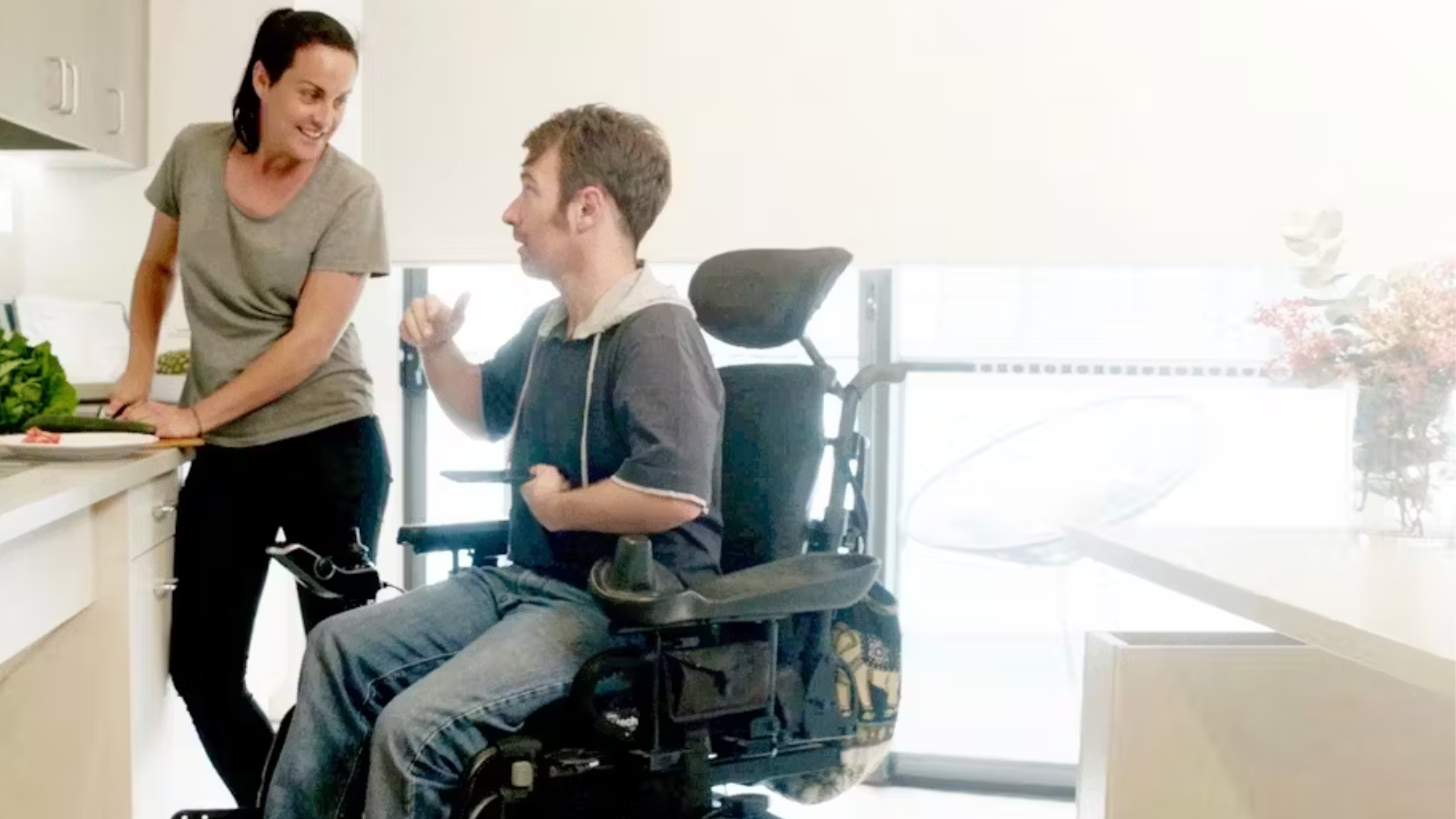


How Do NDIS Disability Services Really Improve Independence and Quality of Life?
Here’s the thing you need to understand right from the start: NDIS isn’t a magic wand. It’s a funding scheme that gives eligible Australians with disabilities access to personalized support packages. Think of it as getting a budget specifically designed around your needs, whether that’s mobility equipment, therapy services, NDIS accommodation, home modifications, or help with daily tasks.
The scheme has been transformative for many people since it rolled out nationally. According to recent government data, over 661,000 Australians are now participating in the NDIS. That’s substantial. But here’s what often gets lost in the conversation: how this funding actually translates into measurable improvements in independence and quality of life varies wildly from person to person.
The core promise is simple yet powerful: people with disabilities should have the resources to live fuller, more autonomous lives. Whether they’re achieving that goal depends on multiple factors we’ll explore throughout this article.
Real Independence Gains: What the Success Stories Show Us
Let’s talk about the wins first, because they’re genuinely inspiring and show what’s possible when the system works as intended.
Take Jane, a 34-year-old woman with cerebral palsy who had always dreamed of living independently. Before NDIS, she relied heavily on family members for everything from getting dressed to preparing meals. Through her NDIS funding, Jane accessed specialized mobility equipment and had modifications made to her apartment. Today, she lives on her own and works part-time as a graphic designer. When she talks about her experience, she emphasizes feeling “more confident and in control” of her life.
Or consider Mark, who has a spinal cord injury and uses a wheelchair. His NDIS plan included intensive physiotherapy sessions. Through determined effort and proper support, he’s made remarkable progress in his physical abilities, even reaching his goal of standing unassisted. That’s not just a physical achievement; it’s a psychological one that ripples through every aspect of his daily experience.
These aren’t isolated cases. Recent quarterly reports show that 76% of NDIS participants aged 15 and older report having more choice and control over their lives, exceeding government targets. Additionally, 52% of families and carers of NDIS participants are now in paid employment, highlighting how access to tailored supports such as NDIS personal support services Adelaide can positively impact not only participants but also their wider support networks.
But here’s where my understanding gets a bit murky: while we have these aggregate numbers and individual success stories, the mechanisms that make some plans work brilliantly and others struggle aren’t always clear. Is it the quality of support coordinators? The specific types of services accessed? The participant’s own circumstances and support networks? Probably all of the above, but the data doesn’t always break this down clearly.
The Quality of Life Question: Beyond Just Physical Independence
Independence is one thing; quality of life is another, broader concept. You can be functionally independent but still feel isolated, purposeless, or unhappy. So how does NDIS actually impact overall wellbeing?
The scheme has increasingly focused on what they call “social and community participation.” This means funding doesn’t just go toward personal care or medical equipment; it can also support participation in community activities, sports clubs, creative pursuits, or volunteering opportunities.
Emma, a participant with vision impairment and anxiety, used her NDIS funding to access assistive technology and support workers who help with transportation. This enabled her to join community groups and attend social events regularly. The improvement in her mental health and sense of belonging has been substantial. That’s quality of life improvement that goes beyond simply being able to perform tasks independently.
There’s also growing recognition that employment is a critical component of quality of life. The NDIS has expanded employment support services, including job coaching and skills training. We’re seeing more participants like Colin, who had limited employment prospects before his stroke, accessing exercise physiology and physiotherapy that helped him regain mobility and confidence. The increased ability to work doesn’t just mean income; it means purpose, social connection, and self-esteem.
Interestingly, recent statistics show that community and social engagement among participants has risen. This suggests the scheme is succeeding in its broader mission beyond just functional independence. However, I’ll be honest: measuring “quality of life” is inherently subjective and complex. The data we have relies heavily on self-reporting, which is valid but doesn’t always capture the full picture.
The Not-So-Pretty Reality: Where the System Struggles
Let’s be real for a moment. The NDIS isn’t perfect, and pretending otherwise does nobody any favors.
First, there’s the access issue. Despite serving over 661,000 people, that represents only about 15% of Australians living with disability. The eligibility criteria are strict. You need to be under 65 when you apply, have a permanent and significant disability, and meet specific functional impact requirements. Many people with disabilities don’t qualify, which means they’re left navigating state-based services that are often less comprehensive.
Second, the system can be incredibly complex to navigate. You need to understand how to write a good NDIS plan, articulate your goals clearly, and know which services to request. If you don’t have good support coordination or family members who can advocate effectively, you might end up with a plan that doesn’t actually meet your needs. This creates inequity where more resourced or educated participants get better outcomes.
Third, there’s significant variation in service quality. Not all providers are created equal. Some registered NDIS providers offer exceptional, person-centered care. Organizations like Care To Support Disability Services, operating across various Australian cities including Sydney, Melbourne, Brisbane, and Adelaide, focus on personalized support plans that genuinely prioritize participant goals. But the market is still developing, and there are providers who are in it primarily for the money, delivering subpar services while charging premium rates.
The recent reforms in 2024 attempted to address some of these issues by requiring certain provider types (support coordinators, platform providers, and Supported Independent Living providers) to register with the NDIS Quality and Safeguards Commission. This should theoretically improve accountability, but it’s still early days for these changes.
There’s also the elephant in the room: funding sustainability. The NDIS costs over $40 billion annually and is growing. The government has been implementing reforms aimed at reining in costs while maintaining quality. They’re trying to define more clearly what constitutes an “NDIS support” to prevent inappropriate use of funds. Whether they can balance financial sustainability with genuine participant outcomes remains to be seen.
The Types of Support That Actually Make a Difference
Based on the available evidence and participant experiences, certain types of support consistently show positive outcomes:
1. Personal Activities Assistance
Through Personal Activities Assistance in Adelaide, participants receive day-to-day support with routines such as personal care, mobility, and self-management. This service plays a vital role in helping individuals maintain dignity while increasing confidence in daily life.
2. Household Tasks Assistance
Household Tasks Assistance helps participants manage essential home responsibilities like cleaning, meal preparation, and laundry. With consistent support, individuals can live in a well-maintained environment while focusing their energy on personal goals and wellbeing.
3. Accommodation & Tenancy Support
Access to stable housing is essential. NDIS Accommodation and Tenancy Services in Adelaide support participants with maintaining tenancies, understanding rental responsibilities, and transitioning into suitable living arrangements that promote long-term independence.
4. Travel & Transport Support
Reliable mobility improves access to the community. NDIS transport services assist participants in travelling safely to appointments, employment, education, and social activities, helping them stay connected and engaged.
5. Life Skills & Capacity Building
Through NDIS life skills support Adelaide, participants build practical abilities such as cooking, budgeting, communication, and household management. These skills empower individuals to take greater control of their everyday lives.
6. Support Coordination
Effective NDIS Support Coordination ensures participants understand their plans, connect with the right providers, and use their funding wisely. Strong coordination often makes the difference between short-term assistance and long-term progress.
What the Research Actually Says (and What It Doesn't)
Recent studies, including research published in peer-reviewed journals, have examined the relationship between NDIS funding and outcomes like personal wellbeing and choice. One longitudinal study of adults with intellectual disabilities found positive associations between NDIS participation and wellbeing measures, though the research noted that exercising genuine choice and control remains challenging for some participants.
The government’s own quarterly reports show improvements across various metrics: employment rates for carers, social participation, and participant satisfaction with choice and control. These are encouraging but represent fairly high-level indicators.
What we don’t have as much of is granular, long-term data on specific interventions. Which therapeutic approaches work best for which conditions? How do different models of supported independent living compare in terms of outcomes? What’s the optimal balance between funding for assistive technology versus ongoing support services?
I’ll be straight with you: the evidence base is still developing. The NDIS is a relatively young scheme, and rigorous, long-term research takes time. Many published studies are either qualitative (individual stories and experiences) or based on administrative data (how many people are in the scheme, how much is being spent). Both types of research are valuable, but they don’t always tell us precisely which specific interventions are most effective for improving independence and quality of life.
The Provider Quality Puzzle: Finding the Right Support Matters Enormously
Here’s something that doesn’t get talked about enough: the quality of your provider probably matters more than the amount of funding in your plan.
Two participants with similar disabilities and similar budgets can have radically different experiences depending on whether they’re working with engaged, skilled providers who genuinely care about outcomes versus providers who are just going through the motions.
Quality providers take time to understand your goals, adapt their approaches when something isn’t working, coordinate with other services in your life, and actively build your capacity rather than creating dependency. They have well-trained staff, low turnover, and clear accountability mechanisms.
The NDIS Quality and Safeguards Commission conducts audits and enforces practice standards, but the sheer size of the provider market makes comprehensive quality assurance challenging. Recent reforms have introduced stricter registration requirements for certain provider types, which should help.
When choosing providers, participants should look for organizations that demonstrate person-centered approaches, have experienced staff, offer transparent communication, and can show evidence of positive participant outcomes. Don’t be afraid to ask tough questions or change providers if something isn’t working.
Providers operating across major Australian cities have developed expertise in navigating local service systems and community resources. Care To Support Disability Services, for instance, emphasizes ongoing support and helping participants adjust their plans as needs change, which is crucial because your needs three years into your NDIS journey might look quite different from when you started.
The Future: What Might Change and What Remains Unclear
Looking ahead, several trends and uncertainties are worth considering.
The 2024 reforms represent a significant pivot point. The government is clearly trying to make the scheme more sustainable by defining supports more clearly, improving pricing transparency, and reducing waste. Whether these reforms will actually improve participant outcomes or just cut costs is still unknown. The devil, as always, is in the implementation details.
There’s also ongoing debate about the boundary between NDIS support and mainstream services. Should the NDIS fund everything disability-related, or should health services, education, and other systems do more? This isn’t just a bureaucratic question; it affects what support participants can access and how easily they can navigate between different service systems.
Technology is likely to play an increasing role. Assistive technology is advancing rapidly, from sophisticated mobility aids to AI-powered communication devices. How quickly the NDIS adapts its approved technology lists and how well it funds emerging innovations will significantly impact participant outcomes.
The workforce is another major question mark. There are ongoing concerns about whether Australia has enough qualified disability support workers to meet demand. The sector faces challenges with pay, training, and working conditions. If we can’t attract and retain quality workers, even the best-funded plans won’t deliver good outcomes.
Mental health support is an area that’s likely to receive more focus. The increased funding for psychosocial support in 2024 acknowledges this, but mental health conditions are complex and often require integrated, long-term approaches. How the NDIS coordinates with mainstream mental health services will be crucial.
Perhaps most importantly, there’s the question of whether the co-design approach (involving people with disabilities in designing and implementing reforms) will genuinely shape policy or remain more symbolic. Early signs are somewhat promising, with increased funding for Disability Representative and Carer Organisations to engage in reform processes, but real power-sharing takes time to establish.
The Bottom Line: Does It Really Work?
So, to answer the question you started with: Do NDIS disability services really improve independence and quality of life?
The honest answer is: often yes, but with significant variability and room for improvement.
For many participants, the NDIS has been genuinely transformative. It has enabled people to live independently who previously couldn’t, pursue employment they couldn’t access before, participate in communities they were excluded from, and exercise choice and control over aspects of their lives that were previously determined by others or by lack of resources.
The success stories are real. The data showing improved outcomes across various indicators is encouraging. The scheme’s fundamental premise that people with disabilities deserve individualized, adequate support to live fulfilling lives is sound and represents a genuine shift from previous approaches.
But it’s also true that the system is complex, access is limited, quality varies significantly, and the long-term sustainability is uncertain. Not every participant has a success story. Some struggle with inadequate plans, poor providers, or a system that’s hard to navigate.
What seems clear is that outcomes depend on multiple factors working together: adequate funding, quality providers, good support coordination, appropriate services, and the participant’s own goals and circumstances. When these align, the results can be remarkable. When they don’t, participants can feel let down by a system that promised so much.
The NDIS is still evolving. The reforms implemented in 2024 and the ongoing process of adjustment will shape its trajectory. Whether it ultimately lives up to its potential depends on maintaining focus on genuine participant outcomes while addressing legitimate sustainability concerns.
For anyone considering engaging with the NDIS, my advice would be: approach it with realistic expectations, invest time in understanding the system, don’t be afraid to advocate strongly for your needs, choose your providers carefully, and connect with disability advocacy organizations who can provide guidance. The NDIS can be a powerful tool for improving your independence and quality of life, but you need to actively engage with it to get the best outcomes.
Frequently Asked Questions
Q: What support does NDIS funding cover?
A: NDIS funding can include personal care, assistive equipment, home modifications, therapy services, support coordination, employment help, and community activities. Support depends on individual goals and needs.
Q: Am I eligible for NDIS?
A: You must be under 65, an Australian resident, and have a permanent disability that affects daily activities. You should also require ongoing NDIS support.
Q: Can I choose my NDIS service providers?
A: Yes. NDIS offers choice and control, allowing you to select and change service providers based on your preferences and satisfaction.
Q: How often is an NDIS plan reviewed?
A: NDIS plans are usually reviewed every year. You can request an earlier review if your situation or support needs change.
Q: What is the difference between core supports and capacity building?
A: Core supports help with everyday activities, while capacity building focuses on developing skills and independence over time.
Recent Posts
- All Posts
- Blog